Ichthyology – Focuses on the diversity, physiology, and ecology of fish species, equipping students with the ability to analyze aquatic ecosystems and promote sustainable fisheries management.
Aquatic Ecology – Explores the interaction between biotic and abiotic components in freshwater and marine environments.
Phycology (Study of Algae) – Investigates algae diversity and their ecological roles in aquatic ecosystems. The course highlights algae’s potential in bioremediation, carbon sequestration, and as renewable bioresources that support water sustainability and biodiversity.
Bioremediation – Provides insight into the biological treatment of polluted water bodies using microorganisms and plants.
Environmental Toxicology – Examines how pollutants affect aquatic life and water ecosystems, training students to assess ecological risks and propose environmentally sound solutions to protect marine and freshwater biodiversity.
Plant Barcoding System
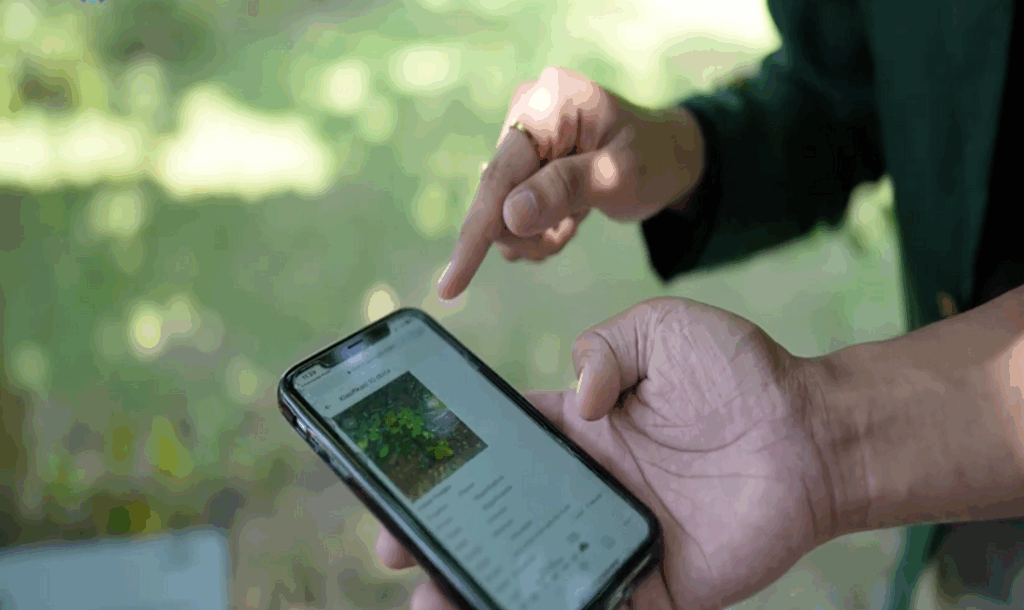
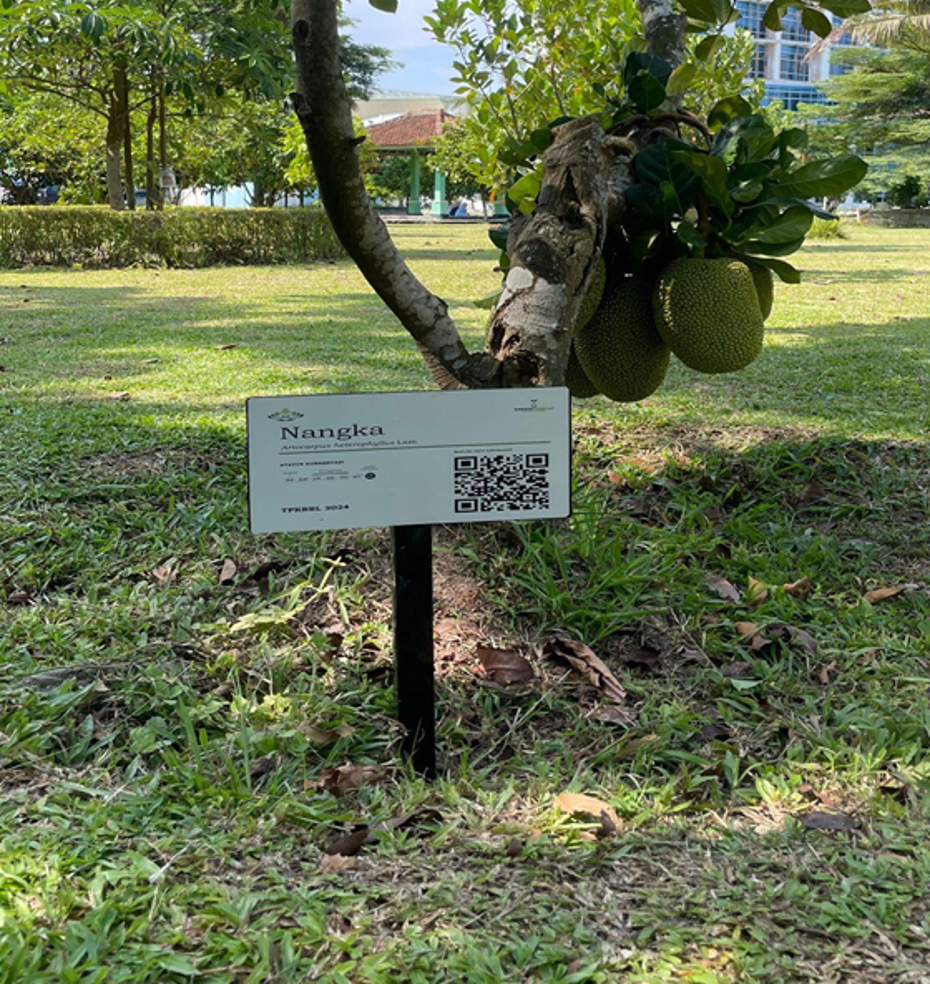
All plants identified on campus are categorized according to the IUCN Red List of Threatened Species, which provides a global framework for assessing the conservation status of species. This categorization allows the university to focus on protecting species that are considered vulnerable, endangered, or critically endangered, ensuring that conservation efforts are aligned with international standards for biodiversity preservation. The use of QR codes, scanned using smartphones, to access information about the plant species located in the arboretum.
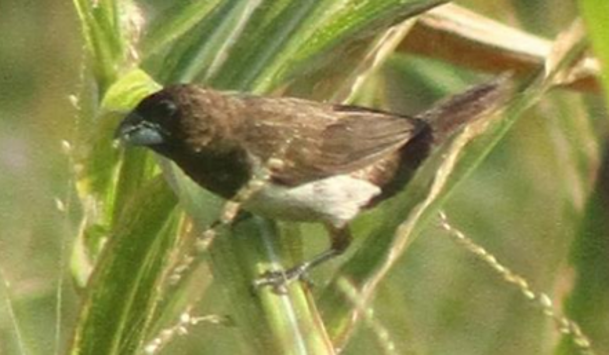
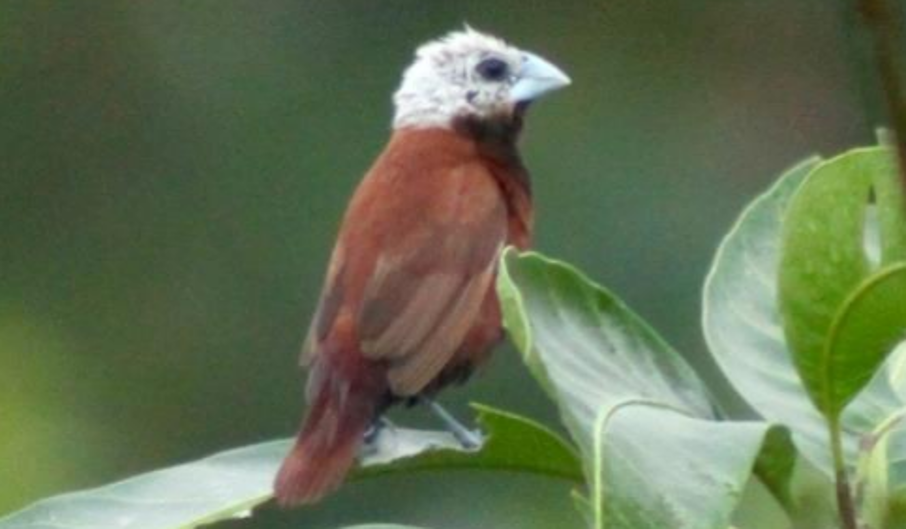
Conservation of various birds in the UIN Raden Intan Lampung. Numerous greenery provide shelter and conservation for birds at UIN Raden Intan Lampung, such as: cekakak sungai bird (Todirhamphus chloris), madu sriganti bird (Nectarinia jugularis), and madu kelapa bird (Anthreptes malacensis) which is the protected bird species listed on the appendix government regulation No.7 of 1999 regarding preservation of plants and animal species.
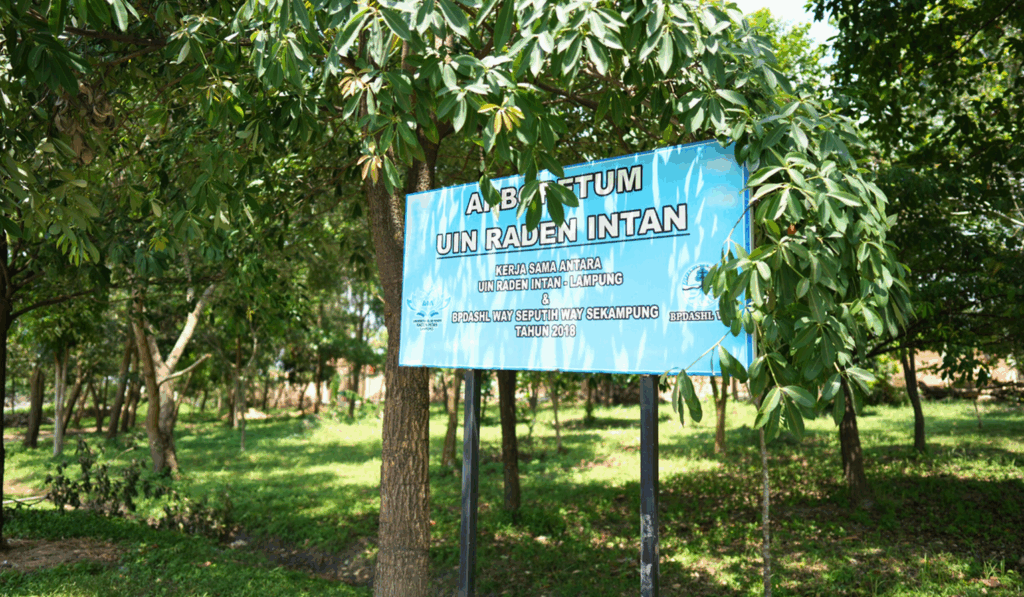
The arboretum, which houses a diverse collection of trees and plants, acts as a living laboratory for the preservation of local and rare plant species. It helps promote biodiversity by providing a safe space for the growth and study of native flora, and also serves as an educational resource for students and researchers.